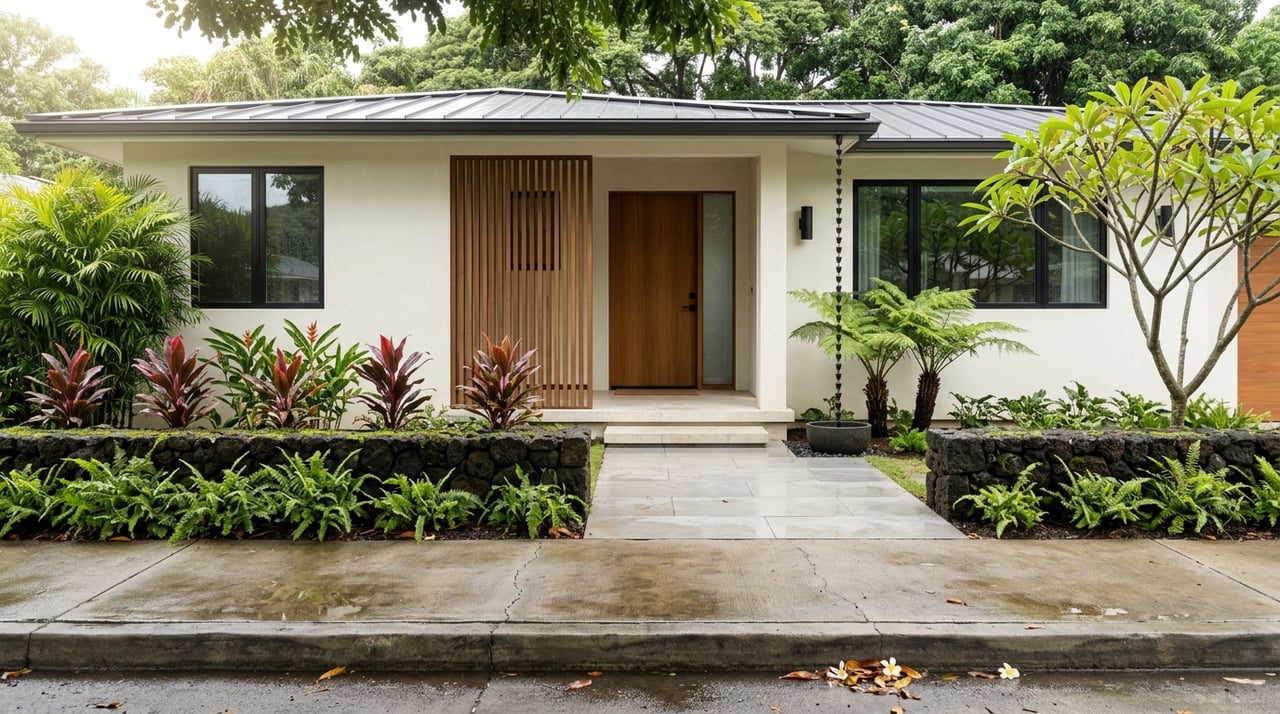
If you want a Honolulu neighborhood that feels green, established, and connected to daily essentials, Mānoa often stands out right away. You may be looking for a place with character homes, easy access to nature, and a location that still keeps you close to town. This guide will help you understand what living in Mānoa Valley can actually feel like, from housing style and outdoor routines to convenience and market context. Let’s dive in.
Why Mānoa Valley Feels Different
Mānoa has a setting that shapes almost everything about daily life. The neighborhood sits in a lush valley, and the University of Hawaiʻi at Mānoa’s history notes that the campus moved into Mānoa Valley in 1912, when the area still had pig farms and kiawe groves.
That early development matters because Mānoa still reads as an established residential area, not a newly built district. A 2015 historic preservation release from the state also described the valley as a quiet, nearly rural suburb with agriculture in the lower valley until World War II, which helps explain the neighborhood’s long-standing identity.
Another big part of Mānoa’s appeal is location. UH Mānoa describes the campus as being just outside downtown Honolulu and minutes from Waikīkī, giving you a practical sense of how close the valley is to major parts of town while still feeling centered on residential life.
Homes in Mānoa
If you are wondering what kind of homes you will find in Mānoa, the answer is a mix led by older housing stock and architectural character. Honolulu planning documents describe mauka residential neighborhoods as generally lower-density areas that may include single-family residences and townhouse apartments.
That matches what many buyers notice when they explore the area. You will see detached homes as the main residential form, along with some townhouses and condos mixed in, rather than a neighborhood defined by large-scale new construction.
Architectural character
Mānoa is especially known for homes tied to early 20th-century growth. A State Historic Preservation Division registration form notes that Colonial Revival was one of the dominant design influences in the valley, and it also references homes on Ferdinand Avenue and Manoa Road with Colonial Revival, Craftsman, Mediterranean Revival, and Tudor Revival influences.
That gives the neighborhood a layered look that many buyers find appealing. Instead of one uniform style, Mānoa offers a range of older homes that reflect different periods of residential development.
Why housing style matters
For you as a buyer, that architectural variety can mean more personality and more lot-to-lot differences. It can also mean you should expect homes with distinct layouts, materials, and upkeep needs compared with newer subdivisions.
For sellers, that same character can be a strength when presented well. In a neighborhood where established homes are part of the appeal, thoughtful preparation and positioning can help buyers understand the value of a property’s setting and design.
Nature Is Part of Daily Life
One of the clearest things you notice in Mānoa is how green it is. That is not just a visual impression. According to Lyon Arboretum, the site receives an average of 165 inches of rain annually across its 194 acres and contains 5,660 tropical plant taxa.
That kind of rainfall helps create the valley’s rich landscape and cooler, lush feel compared with drier coastal areas. If you are considering living here, it is fair to say that rain is part of the lifestyle.
The upside of Mānoa’s microclimate
The wet climate supports one of the area’s best-known amenities. Lyon Arboretum is both a public botanical garden and a University of Hawaiʻi research unit, with more than seven miles of hiking trails and free admission.
That means outdoor access is not limited to occasional weekend plans. In Mānoa, greenery, trails, and mountain views can become part of your everyday rhythm.
The practical side of the weather
The same conditions that make Mānoa beautiful also affect day-to-day routines. Lyon Arboretum advises sturdy footwear because roots and mud can become more common deeper into the forest.
That is a useful reminder if you are picturing daily life here. You get the benefits of a greener, wetter valley setting, but you also need to be realistic about mud, moisture, and outdoor upkeep.
Trails and Outdoor Routines
Mānoa is closely tied to outdoor activity, especially for residents who enjoy easy access to trails. One of the area’s best-known routes is Mānoa Falls Trail, which the DLNR Oʻahu hiking map lists at 0.8 miles and describes as a good trail for novice hikers ending at the base of the falls.
That said, it is important to view this as a real working trail system, not just a postcard feature. DLNR has repeatedly noted that wet conditions, erosion, and slippery footing affect the trail, and in 2024 the agency cited an annual average of 200,000 visitors, with roughly 700 to 1,000 visitors per day.
For a different experience, Waʻahila Ridge Trail offers views over Mānoa Valley and continues toward Kolowalu Trail. Together, these outdoor options help define the neighborhood’s lifestyle, especially if you want quick access to Honolulu mauka scenery.
Everyday Convenience in Mānoa
Mānoa offers a balance of residential calm and practical access to services. Honolulu’s Primary Urban Center plan identifies Manoa Marketplace as a neighborhood commercial area that provides grocery stores and other services close to residences.
That makes daily errands more manageable without changing the overall residential feel of the valley. You can enjoy a neighborhood setting while still being near useful basics.
Walkability and getting around
It is also important to keep expectations realistic. Redfin describes Mānoa as minimally walkable, with a Walk Score of 49, so while some parts of the area connect well to campus, trails, and neighborhood services, many everyday errands still work better with a car.
For many buyers, that tradeoff is part of the appeal. You are choosing a scenic valley neighborhood with established homes and outdoor access, not an ultra-urban, high-density lifestyle.
How UH Mānoa Shapes the Area
The university plays a major role in the feel of Mānoa, even if you are not connected to campus life directly. Beyond academics, UH Mānoa cultural resources include two galleries, the John Young Museum of Art, and performances at Kennedy Theatre, whose venues include a 619-seat mainstage and a 147-seat black box.
That adds a cultural layer to everyday life in the neighborhood. Mānoa is not only residential and outdoorsy. It also has a steady connection to exhibits, performances, and campus events that can make the area feel active and engaged.
Mānoa Market Snapshot
If you are thinking about buying in Mānoa, pricing and pace are important to understand. According to Redfin’s Mānoa housing market data, the median sale price was $1.36 million in February 2026, homes averaged about 66 days on market, and the area was described as somewhat competitive.
That points to a market that is higher priced and fairly steady rather than fast and easy. In a neighborhood with older homes, limited turnover, and strong location appeal, inventory can feel more selective than in many mainland markets.
It also helps to place Mānoa within Honolulu County’s broader housing picture. The U.S. Census QuickFacts for Honolulu County report a median household income of $106,195, median gross rent of $2,083, and an owner-occupied housing unit rate of 59.8%, reinforcing that this is part of a generally high-cost urban county.
What Buyers Should Keep in Mind
If Mānoa is on your shortlist, it helps to focus on fit as much as price. This neighborhood may appeal to you if you value:
- Established homes with architectural character
- A residential setting close to central Honolulu
- Access to trails, greenery, and campus amenities
- A neighborhood identity shaped by history rather than new development
It is also wise to think through the practical side of living in a wetter valley environment. Weather, lot conditions, outdoor maintenance, and transportation habits can all affect how a property works for your routine.
What Sellers Should Keep in Mind
If you own a home in Mānoa, your property may benefit from the neighborhood’s strong sense of place. Buyers are often drawn to the valley’s character, greenery, and established residential feel.
That means presentation matters. When a home has distinctive architecture, mature surroundings, or a location advantage near campus and neighborhood services, a thoughtful marketing strategy can help communicate its full value clearly.
Whether you are buying or selling, local context matters in Mānoa. Pricing, condition, micro-location, and property character can all shape outcomes in a neighborhood where no two homes feel exactly alike.
If you are considering a move in Mānoa or anywhere on Oʻahu, Melvin Leon Guerrero can help you navigate the market with clear guidance, local insight, and a high-touch approach tailored to your goals.
FAQs
What types of homes are common in Mānoa Valley?
- Mānoa is known for older detached homes, with some townhouses and condos also in the mix, according to Honolulu planning documents.
Is Mānoa Valley rainy compared with other Honolulu areas?
- Yes. Lyon Arboretum’s reported rainfall helps show that Mānoa is wetter than many coastal parts of Honolulu, which contributes to the valley’s lush greenery.
Is daily life in Mānoa convenient for errands?
- Yes, especially with neighborhood services near residences, but many everyday errands are still easier by car because the area is considered minimally walkable by Redfin.
What is the housing market like in Mānoa?
- Redfin describes Mānoa as somewhat competitive, with a median sale price of $1.36 million in February 2026 and about 66 days on market.
What makes Mānoa Valley different from other Honolulu neighborhoods?
- Mānoa stands out for its valley setting, wetter microclimate, established homes, outdoor access, and the influence of the University of Hawaiʻi at Mānoa on daily neighborhood life.