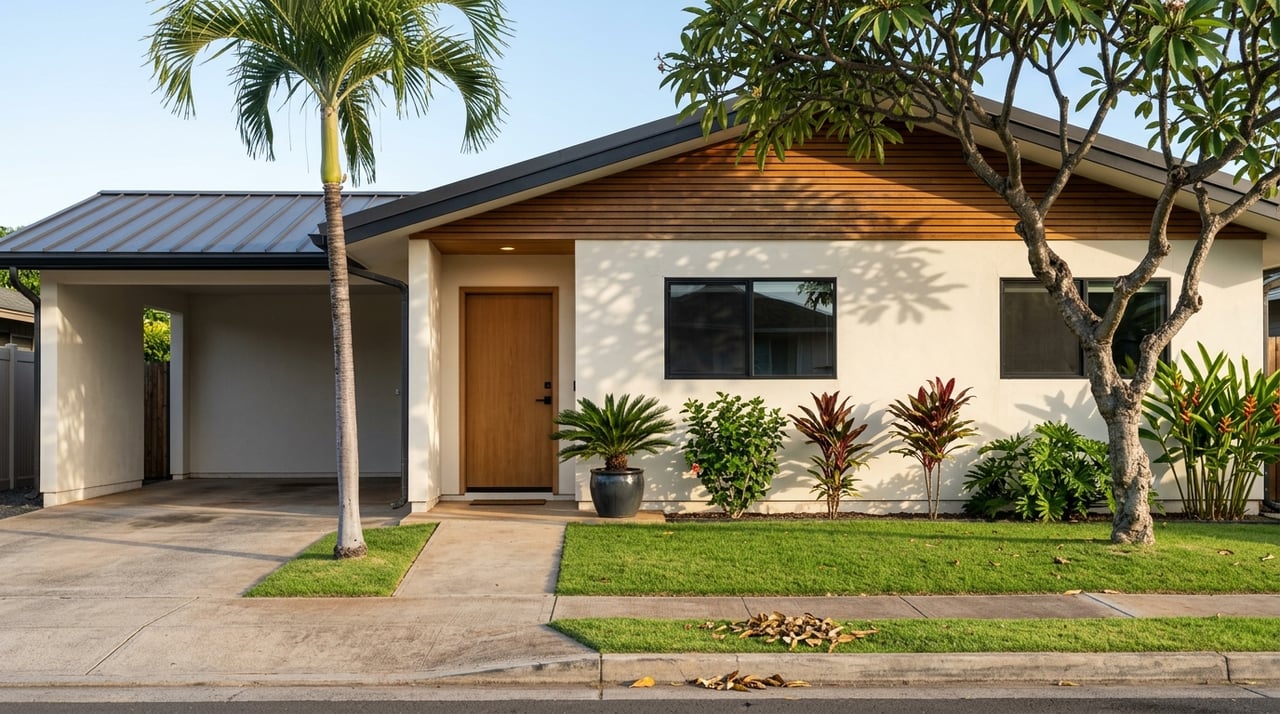
If you want a stronger sale in Aiea, listing your home "as is" and hoping for the best is rarely the smartest move. In a market where presentation, condition, and pricing clarity can shape buyer response quickly, even small updates can have an outsized effect. The good news is that you do not need a full renovation to make your property more compelling. You need a focused plan that helps your home look cared for, photograph well, and feel easy for buyers to understand. Let’s dive in.
Why prep matters in Aiea
Aiea is a relatively small, high-value market with a high rate of owner-occupied homes. According to U.S. Census Bureau QuickFacts for Aiea, the median owner-occupied home value is $1,065,700. That alone raises the stakes for sellers who want to protect value and attract serious interest.
The broader Oʻahu market also shows why thoughtful preparation matters. In March 2026, the Honolulu Board of REALTORS® market report showed a single-family median sales price of $1,199,500, a median of 21 days on market, and 26% of single-family sales closing above asking price. Buyers are active, but that does not mean every home gets the same response. The homes that look move-in ready, well-maintained, and clearly presented often have an edge.
Focus on impact, not over-renovation
Many Aiea homes come from older development periods, and that matters when you decide what to update. Hawaiʻi’s 2024 Housing Planning Study shows substantial housing stock in ZIP code 96701 built from the 1950s through the 1970s. That means many sellers are working with older finishes, older systems, or layouts that can still show well with the right improvements.
For most owners, the goal is not to gut the house. The goal is to remove distractions, address visible condition issues, and help buyers see the home’s livability and value. In many cases, fresh paint, cleaning, repairs, and better styling do more for buyer perception than expensive upgrades that may not return dollar for dollar.
Start with a pre-list inspection
A pre-sale inspection can help you make better decisions before your home hits the market. The National Association of REALTORS® consumer guide on preparing to sell notes that an inspection can identify issues involving the structure, roof, exterior, plumbing, electrical systems, HVAC, insulation, ventilation, and more. You are not required to get one, but it can be a useful planning tool.
In Aiea, this step is especially valuable for older homes. Instead of being surprised once you are under contract, you can learn what needs repair, what should be documented, and what may be better handled through disclosure. That gives you more control over timing, budget, and negotiation strategy.
Hawaiʻi law also requires seller disclosure for residential real property. Under Chapter 508D of the Hawaiʻi Revised Statutes, sellers must provide a disclosure statement and address later-discovered material facts before closing. A pre-list inspection does not replace legal or professional advice, but it can help you prepare for a cleaner, better-documented sale.
Check moisture and termite risks early
In Hawaiʻi, moisture and termites deserve special attention before listing. The University of Hawaiʻi CTAHR termite resource notes that the Formosan subterranean termite is the state’s most damaging insect pest to homes and structures. Termites thrive where moisture and wood-friendly conditions exist.
If your home has leaks, damp areas, wood rot, or visible termite activity, those issues should move to the top of your prep list. Buyers may notice staining, soft wood, musty smells, or damaged trim right away. Even if the rest of the home looks great, these conditions can create concern and weaken offers.
Before photography and showings, pay attention to:
- Roof or plumbing leaks
- Damp crawl spaces or storage areas
- Wood-to-soil contact around the exterior
- Water-damaged drywall or trim
- Swollen cabinets or flooring near plumbing fixtures
- Visible termite damage or untreated wood deterioration
Prioritize repairs buyers can see
You do not have to fix everything to improve your sale. You should focus first on the issues that signal neglect or create uncertainty. Buyers often react strongly to visible flaws because they wonder what else may be wrong.
Based on NAR’s seller prep guidance, high-impact work often includes cleaning, minor repairs, and curb appeal improvements. In practical terms, that can mean patching drywall, replacing worn caulk, updating light fixtures, repairing loose hardware, repainting scuffed walls, and making sure doors and windows work smoothly.
A simple rule helps here: if a buyer can see it, smell it, or trip over it, fix it first.
Declutter to make rooms feel larger
Decluttering is one of the most effective and budget-friendly steps you can take. According to the 2025 NAR staging report, 51% of sellers’ agents recommended decluttering or correcting property faults instead of full staging. That matters because buyers need visual space to imagine how they would live in the home.
Start by removing anything that crowds floors, countertops, shelves, and corners. Storage areas matter too. Buyers often open closets, cabinets, and garage doors, and overstuffed storage can make the home feel short on space.
Focus on these areas first:
- Kitchen counters
- Living room surfaces
- Primary bedroom furniture layout
- Bathroom counters and shower areas
- Entryway and lanai areas
- Garage and utility spaces
Stage the rooms that matter most
If you are going to stage selectively, put your energy where buyers tend to focus first. The same NAR staging report found that the living room, primary bedroom, and kitchen are the most important rooms to stage. Those spaces often shape a buyer’s overall impression of the property.
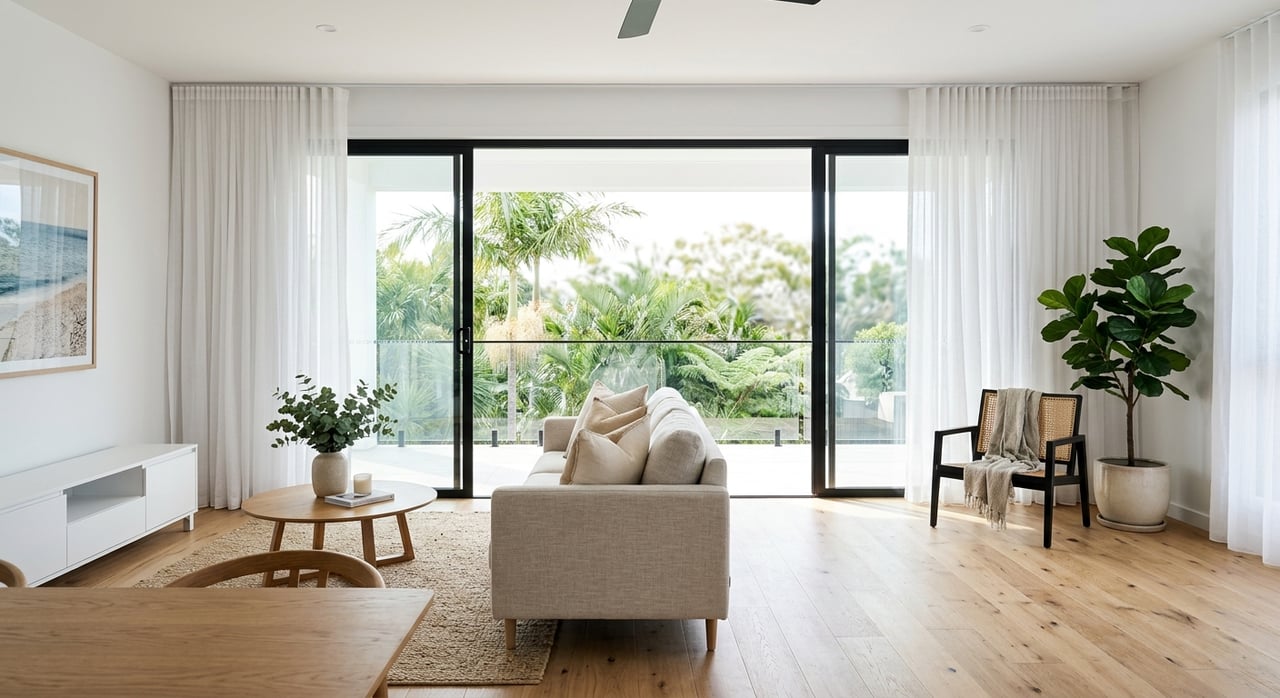
You do not need dramatic styling. Clean lines, lighter décor, and a simple furniture layout often work best. The aim is to show scale, flow, and function.
In many Aiea homes, thoughtful staging can also help buyers understand older layouts. A room that feels awkward when empty may make more sense when properly furnished. Good staging can turn uncertainty into clarity.
Deep clean before photos and tours
Cleanliness affects both online appeal and in-person reaction. NAR recommends cleaning windows, carpets, lighting fixtures, and walls before listing. These details may sound small, but they influence how bright, fresh, and maintained the home appears.
In listing photos, dirt and buildup tend to stand out more than sellers expect. In person, buyers notice odors, dusty fans, spotted windows, and stained grout almost immediately. A deep clean is one of the fastest ways to improve perceived value without major cost.
Refresh curb appeal first
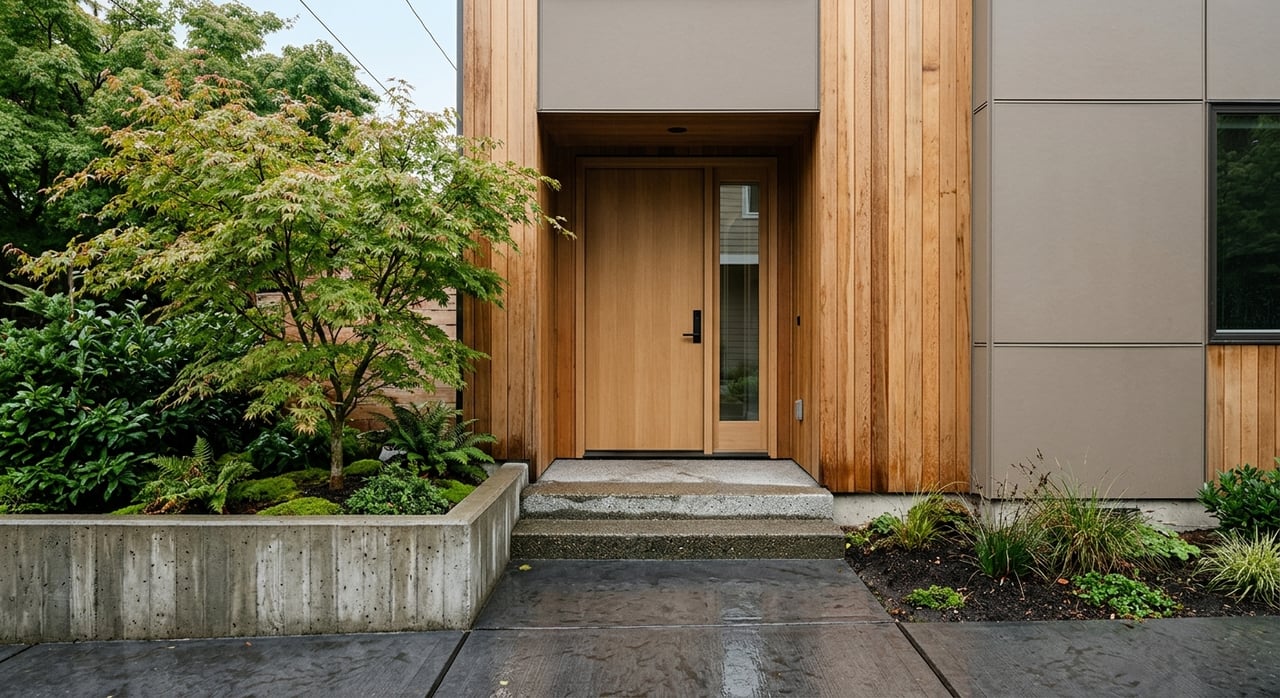
Your exterior sets expectations before a buyer ever walks inside. NAR specifically points to landscaping, the front entrance, and paint as key curb appeal opportunities. If the outside feels neglected, buyers may assume the interior has similar issues.
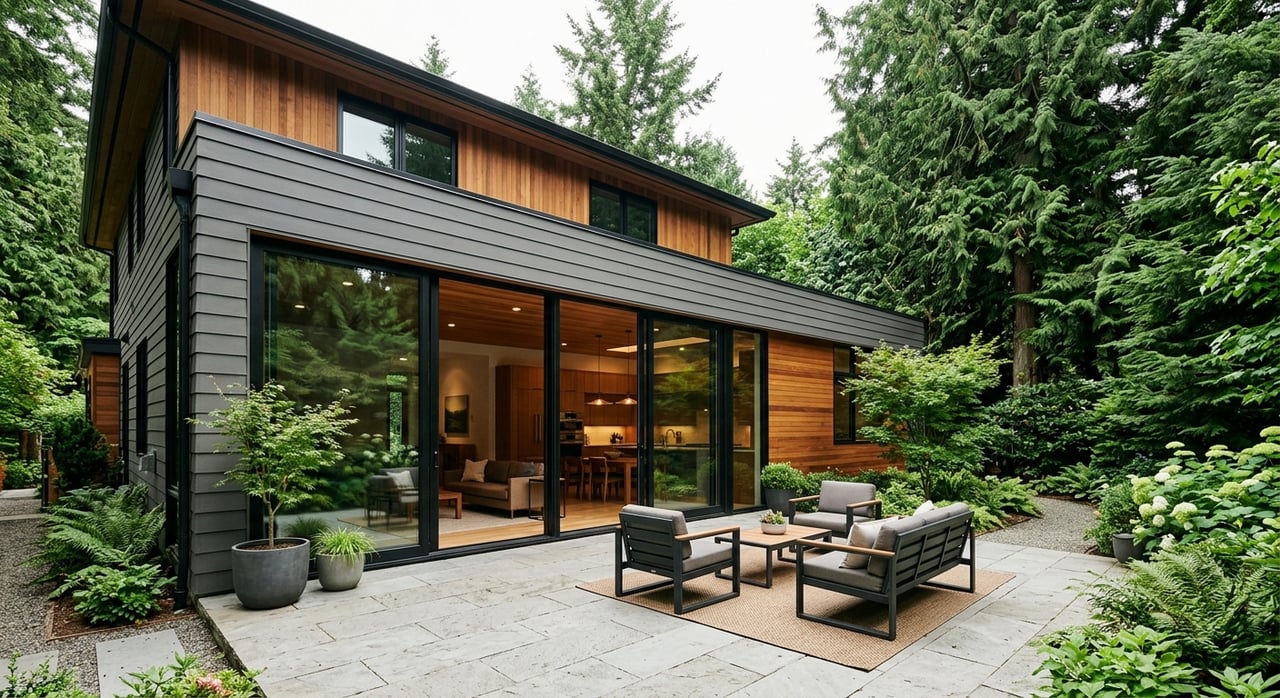
For an Aiea home, curb appeal does not have to mean a large landscape redesign. Often, trimming overgrowth, cleaning walkways, pressure washing surfaces, touching up paint, and making the front entry look simple and welcoming can go a long way.
Consider this quick exterior checklist:
- Trim landscaping and clear overgrown areas
- Remove mildew, dirt, and debris from exterior surfaces
- Repaint or touch up the front door and trim if needed
- Replace worn house numbers, lights, or hardware
- Clean carports, driveways, and walkways
- Remove excess outdoor furniture or stored items
Highlight views and setting
Aiea has natural visual advantages that deserve strong marketing. Hawaiʻi State Parks notes that Keaīwa Heiau State Recreation Area offers panoramic views of Aiea, Pearl Harbor, and the Pacific Ocean. Local planning documents also identify important mauka and Pearl Harbor view corridors in the area.
If your home has an outlook, elevation, or a strong sense of setting, that should be captured clearly in photography and marketing. Wide, bright images can help buyers understand what the home overlooks and how the property sits in its surroundings. Even if the view is partial, the right presentation can help communicate what makes the location feel special.
The 2025 NAR staging report also found that buyers’ agents place high value on photos, videos, virtual tours, and physical staging. That makes visual preparation just as important as physical preparation.
Make your home easy to understand
One of the biggest mistakes sellers make is leaving buyers to figure things out on their own. If your home has upgrades, repairs, or unique features, organize that information before listing. Buyers respond better when the home feels transparent and well-managed.
You can prepare a simple file with receipts, service records, warranties, inspection findings, and repair summaries. This does not replace required disclosures, but it helps support credibility. It also makes your home feel more move-in ready because buyers can see a clear history of care.
Build a smart prep plan
If you want the highest impact, work in this order:
- Inspect and assess what needs attention.
- Fix visible problems that create concern.
- Address moisture or termite-related issues early.
- Declutter and clean thoroughly.
- Stage key rooms for flow and scale.
- Refresh curb appeal for a stronger first impression.
- Prepare strong visuals and documentation before launch.
This kind of prep can improve both buyer confidence and marketing quality. It also helps you avoid spending on projects that do not meaningfully improve your position.
The goal is confidence, not perfection
The best-prepared Aiea homes do not always have the newest kitchens or a full remodel. Often, they simply feel well-kept, honest, and easy to say yes to. In a market where buyers move quickly but still compare condition closely, that can make a real difference.
If you are thinking about selling, a tailored prep strategy can help you decide what is worth doing now and what is better left alone. With the right plan, you can invest where it counts and bring your home to market with more confidence. If you want guidance on preparing your Aiea home for a stronger, more polished launch, connect with Melvin Leon Guerrero.
FAQs
What home improvements matter most before selling a home in Aiea?
- The highest-impact improvements are usually visible repairs, deep cleaning, decluttering, curb appeal updates, and addressing moisture or termite-related concerns.
Should you get a pre-listing inspection before selling an Aiea home?
- A pre-listing inspection is not required, but it can help you identify repair issues early, plan disclosures, and avoid surprises during escrow.
How important is staging when selling a home in Aiea?
- Staging can help reduce time on market and improve buyer response, especially in the living room, primary bedroom, and kitchen.
What should sellers in Aiea check for regarding termites and moisture?
- You should look for leaks, damp areas, wood rot, wood-to-soil contact, water damage, and visible signs of termite activity before listing.
Why does curb appeal matter when listing a home in Aiea?
- Curb appeal shapes a buyer’s first impression and can influence how they view the home’s overall condition before they even step inside.