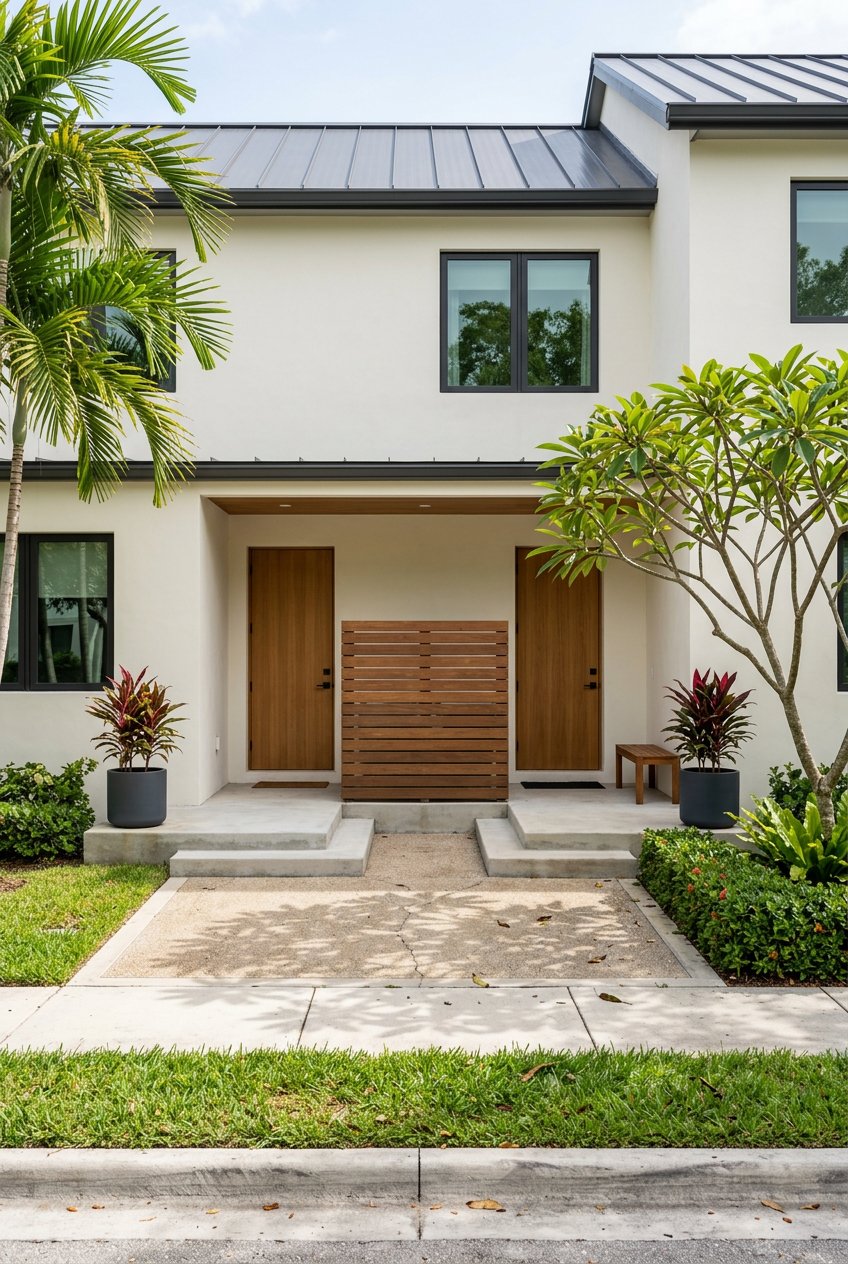
Torn between a single-family home and a townhome in Kaneohe? You are not alone. With lush views, steady trade winds, and easy access to Kaneohe Bay, the question often comes down to how you want to live day to day. In this guide, you will see clear differences in price, outdoor space, maintenance in a windward climate, HOA structures, and financing so you can choose with confidence. Let’s dive in.
Snapshot: prices in Kaneohe
Kaneohe prices vary by property type and by source. As of February 2026, one widely used index places the average Kaneohe home value a little over $1.07 million. Recent portal summaries also show median single-family prices near or above about $1.25–$1.30 million, while median townhome and condo prices cluster around about $790,000 (last 12 months as of early 2026). Portals use different methods and time windows, so numbers move month to month, but the pattern is consistent: detached homes cost more than attached units.
On the ground, you will typically see:
- Single-family homes: roughly $900,000 to $1.8 million plus, with many in the $1.0–$1.5 million band depending on lot size, condition, and views.
- Townhomes and low-rise condos: roughly $400,000 to $900,000 plus, with many Kaneohe townhomes in the $600,000–$900,000 band.
Price is just the start. Your total cost of ownership and lifestyle fit will help you decide which path makes sense.
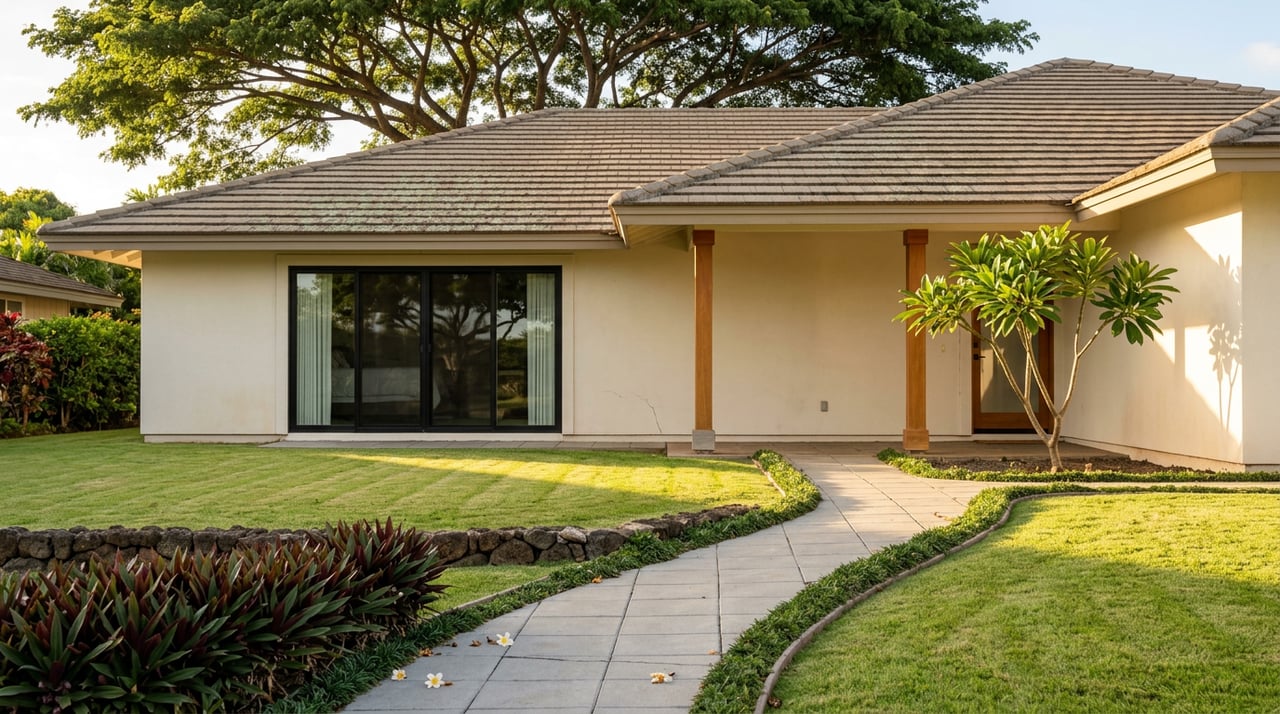
Single-family living: space and control
A detached home in Kaneohe usually sits on a fee-simple lot. Many current listings show lots around 5,000 to 10,000 square feet or more. That often means a private yard, room for storage or a workshop, and the possibility of an accessory dwelling unit (ADU) if your zoning and lot size allow. To vet an ADU idea, review the City and County of Honolulu’s Land Use Ordinance update and talk through your parcel specifics with the Department of Planning and Permitting. You can also read an overview of how ADUs work on Oahu and the common eligibility rules at a local resource on ADUs for Hawaii homeowners. Helpful references: the City’s LUO update summary and a clear ADU explainer for Oahu owners are available online.
- Learn what the LUO sets out for Oahu zoning and updates: see the City’s recent LUO update materials for context on process and standards (Land Use Ordinance update).
- Get an ADU overview for Hawaii owners: definitions, eligibility basics, and owner-occupancy notes (What is an ADU).
Windward upkeep for houses
Kaneohe’s windward setting brings steady trade winds and higher rainfall than many leeward neighborhoods. That mix of wind, humidity, and salt in the air speeds up exterior weathering and puts more stress on metal and coatings along the coast. A state environmental document for the windward side notes the persistent trade-wind exposure and local rainfall that shape site conditions (windward exposure context).
Plan for a more proactive maintenance rhythm than in many mainland markets:
- Exterior paint and metal: expect more frequent touchups and repaints on windward, salt-exposed facades. Use corrosion-resistant hardware where you can.
- HVAC and coils: coastal exposure often requires annual coil cleaning and regular service to keep systems efficient.
- Termites and pests: Hawaii has year-round pressure from Formosan and drywood termites. Schedule regular inspections and budget for treatment where needed (termite risk overview).
- Mold and humidity: keep indoor humidity below about 50 percent, fix roof and plumbing leaks quickly, and ventilate well. The EPA’s homeowner guide offers simple, effective steps for prevention (EPA mold guide).
These items do not have to be daunting. They just need a plan and a reserve. Many owners set aside a larger maintenance budget in coastal Hawaii than they would on the mainland, especially for repaint cycles, roof care, and pest control.
Townhome life: convenience and amenities
Townhomes and low-rise condos in Kaneohe trade yard space for efficiency and shared amenities. Most units have a lanai or small patio and access to landscaped grounds, pools, or clubhouses managed by an association. You handle the interior. The association typically covers the exterior, the roof, and common areas. That keeps weekend chores lighter and shifts some long-term upkeep to a shared plan.
Monthly association dues vary by complex and amenities. In Kaneohe, it is common to see dues in the low hundreds up to well over $1,000 per month. Hawaii, as a state, tends to run on the higher side for HOA and condo fees due to insurance and repair costs across the islands, which a local data dive has highlighted (Hawaii HOA fee context). Recent Kaneohe listing snapshots show examples around the $600s, $700s, $800s, and even above $1,200 per month, depending on amenities and what utilities are included. Always verify the current figure for the specific unit you are considering.
What HOA dues cover
- Common-area landscaping and exterior building maintenance
- Master insurance policy for the building, plus reserve contributions
- Water, sewer, and trash in some complexes
- Pool, clubhouse, marina, or other shared amenities where applicable
- Professional management and administrative costs
Beyond the monthly number, ask about the association’s reserves, planned capital projects, any recent or upcoming special assessments, and delinquency rates. Those items can affect your total cost and your resale options.
Financing for condos and townhomes
If the home is part of a recorded condominium project, lenders will check whether the project meets conventional loan “warrantability” standards. Criteria include reserve funding, insurance coverage, owner-occupancy percentages, and litigation status. If a project is non-warrantable, conventional financing can be limited or pricier. Fannie Mae’s project-eligibility framework explains what lenders look for and how single-unit approvals can work in some cases (Fannie Mae project eligibility).
Some fee-simple townhouses governed by an HOA, but not a condo regime, face fewer project-level reviews, though lenders still review HOA financials when there are shared obligations. The key is to have your lender run a project check early so you are not surprised mid-escrow.
Outdoor space and lifestyle trade-offs
A detached home gives you a private yard, space for gardens and fruit trees, and more room for surfboards, kayaks, or a workshop. That privacy comes with full responsibility for upkeep. In a townhome, you usually give up yard size for shared green space and convenience. Pools, fitness rooms, or water-access amenities in some communities can offset the smaller footprint if you prefer to lock and go.
Parking and storage also differ. Single-family homes may have driveways and garages with more flexible storage. Townhomes offer assigned or deeded stalls, guest parking rules, and storage limits set by the HOA.
ADUs and multi-gen options
If adding space for extended living or rental income is part of your plan, a single-family lot may offer ADU potential. Not every parcel qualifies. Eligibility depends on zoning, lot area, and other criteria. Owner-occupancy and size limits apply. Start by reviewing the City’s LUO materials and reading a clear explainer on ADUs in Hawaii. Then confirm parcel specifics with the Department of Planning and Permitting before you buy. Useful references include the LUO update summary (City LUO update) and a practical overview of ADU rules for Oahu (ADU basics for Hawaii).
Total cost of ownership: apples to apples
When you compare a Kaneohe house to a townhome, line up the same budget categories so you can see the full picture.
- Mortgage, taxes, and insurance. Confirm your rate, property tax estimate, homeowner’s insurance, and any hurricane or flood insurance needs. Bayfront and canal-adjacent homes may have separate flood considerations.
- HOA dues. For a townhome, include the monthly dues and any known special assessments. For a single-family home in a planned community with an HOA, include that fee too.
- Maintenance and reserves. For detached homes, budget for roof checks, repaint cycles, termite inspections and treatments, coil/HVAC service, gutter cleaning, and landscaping. For townhomes, set aside funds for interior upkeep and any non-covered components.
- Utilities and services. Some Kaneohe associations include water, sewer, and trash. Others may include cable or internet. Verify what is included so you can forecast your monthly spend.
A simple worksheet that captures these items side by side will make your decision much clearer.
Which is right for you?
Choose a single-family home if you want:
- A private yard, more storage, and space for outdoor living
- Flexibility to add features or pursue an ADU if eligible
- Control over materials and finishes, plus the responsibility for full-home upkeep
Choose a townhome if you prefer:
- A lower entry price than many detached homes in Kaneohe
- Less exterior maintenance and access to shared amenities
- A lock-and-go lifestyle with predictable association management
Buyer checklist for Kaneohe tours
Use this list to gather the right details early and avoid surprises.
- Association documents (if applicable). Ask for the current budget, last 2–3 years of financials, reserve study, meeting minutes for the past 12 months, rules, CC&Rs, and insurance certificate. Also ask whether dues changed recently and if capital projects are planned. A statewide data review explains why Hawaii association fees can run high, which makes reserves and insurance important to review (Hawaii HOA fee context).
- Financing and project checks. Have your lender run the condo or townhouse project through their review system early. Fannie Mae’s guidelines outline what can affect conventional financing and when single-unit approvals may help (Fannie Mae project eligibility).
- Condition and climate. Confirm roof age, exterior coating condition, prior termite inspections or treatments, HVAC servicing, and any signs of water intrusion. Review mold-prevention steps and humidity control strategies for Hawaii’s climate (EPA mold guide; termite risk overview).
- Zoning and ADU plans. If you hope to add an ADU, check zoning, lot size, and potential overlays such as flood zones or shoreline areas that can add permit steps. Start with the LUO update and an ADU primer, then verify parcel specifics with DPP (City LUO update; ADU basics for Hawaii).
- Flood and inundation. Confirm the FEMA flood zone and whether flood insurance is currently in force. Ask about the property’s flood history if it sits near streams, low-lying areas, or the bay.
- Utilities and parking. Verify water, sewer, and trash, plus whether those utilities are included in HOA dues. Confirm parking assignments, guest parking rules, and storage.
- Rental rules. Oahu has tightened short-term rental rules in recent years. Verify both City regulations and HOA policies for any income plans you have.
How MelvinEstates can help
You do not have to figure this out on your own. A guided side-by-side analysis of price, dues, maintenance, and financing will make your choice simple. We help you read HOA budgets and reserve studies, pre-clear condo project eligibility with your lender, and confirm zoning and ADU paths with the City. When you are ready to tour, we will focus your shortlist on homes and townhomes that match the way you want to live in Kaneohe.
Ready to compare options with a local, concierge-level plan? Connect with Melvin Leon Guerrero to start your Kaneohe strategy today.
FAQs
What are typical HOA fees for Kaneohe townhomes?
- Fees vary widely by complex and amenities. Many fall in the $600–$1,200 plus range each month in Kaneohe, and Hawaii as a whole tends to run high due to insurance and maintenance costs.
Does Kaneohe’s windward climate increase home maintenance?
- Yes. Trade winds, humidity, and salt exposure can speed exterior wear. Plan for more frequent paint touchups, corrosion-resistant materials, and regular HVAC coil service, plus moisture control inside.
Can I use a conventional loan for a Kaneohe condo?
- Often yes, if the project meets conventional “warrantable” standards. If the project is non-warrantable, options may be more limited or costlier. Have your lender run a project check early.
Are ADUs allowed on every Kaneohe lot?
- No. ADU eligibility depends on zoning, lot size, and other criteria. Owner-occupancy and size limits apply. Verify parcel-specific rules with the City before you buy.
How do house and townhome prices compare in Kaneohe?
- Detached homes typically list and sell higher. As of early 2026, many sources place median single-family prices near or above about $1.25–$1.30 million, while townhome and condo medians cluster around about $790,000.