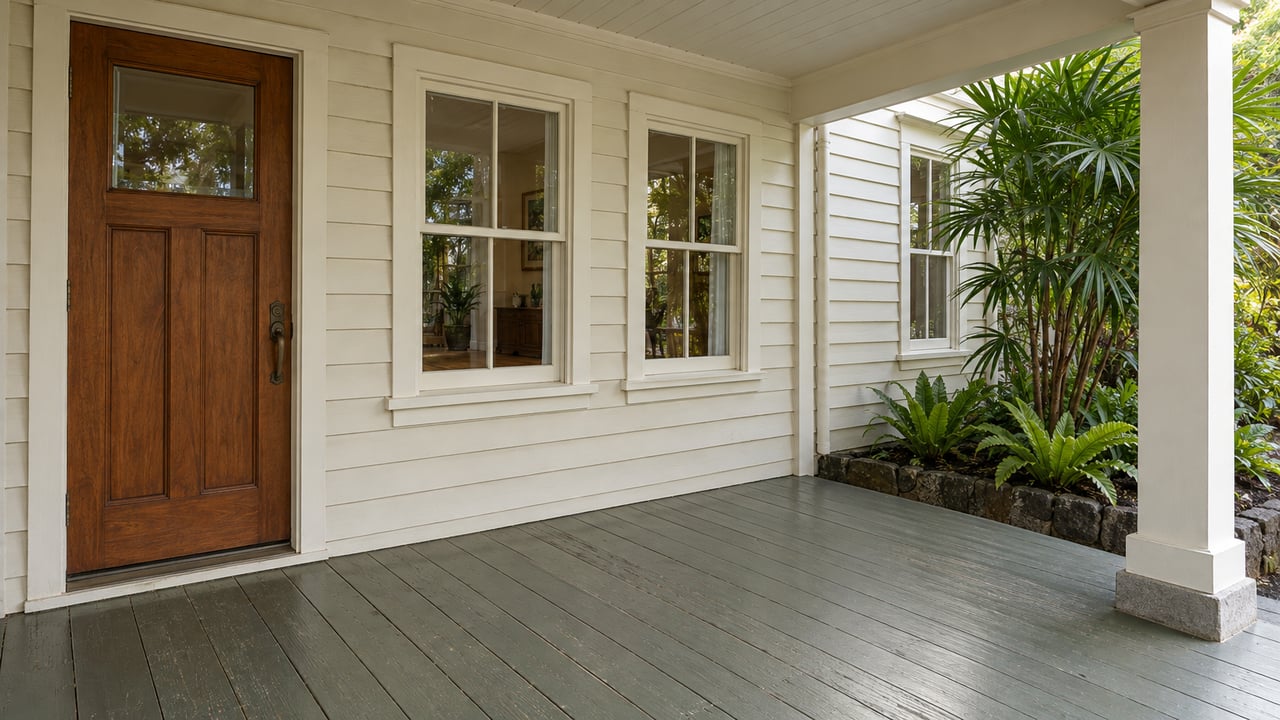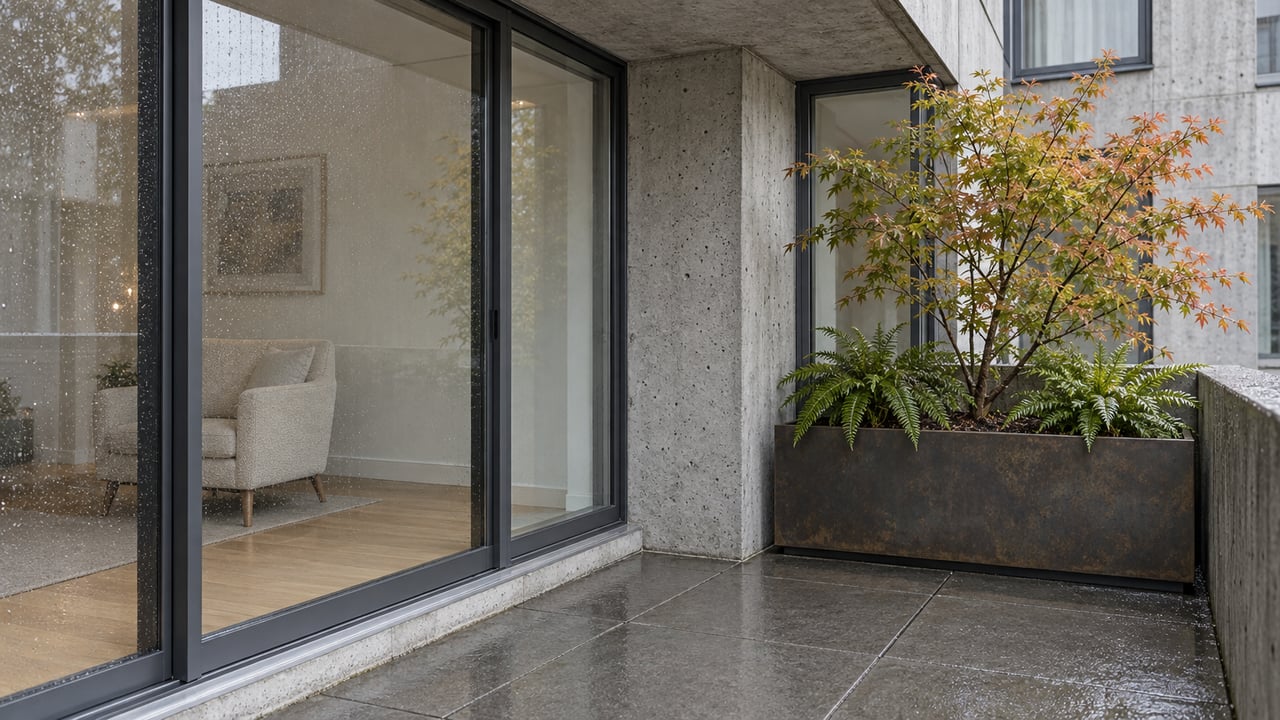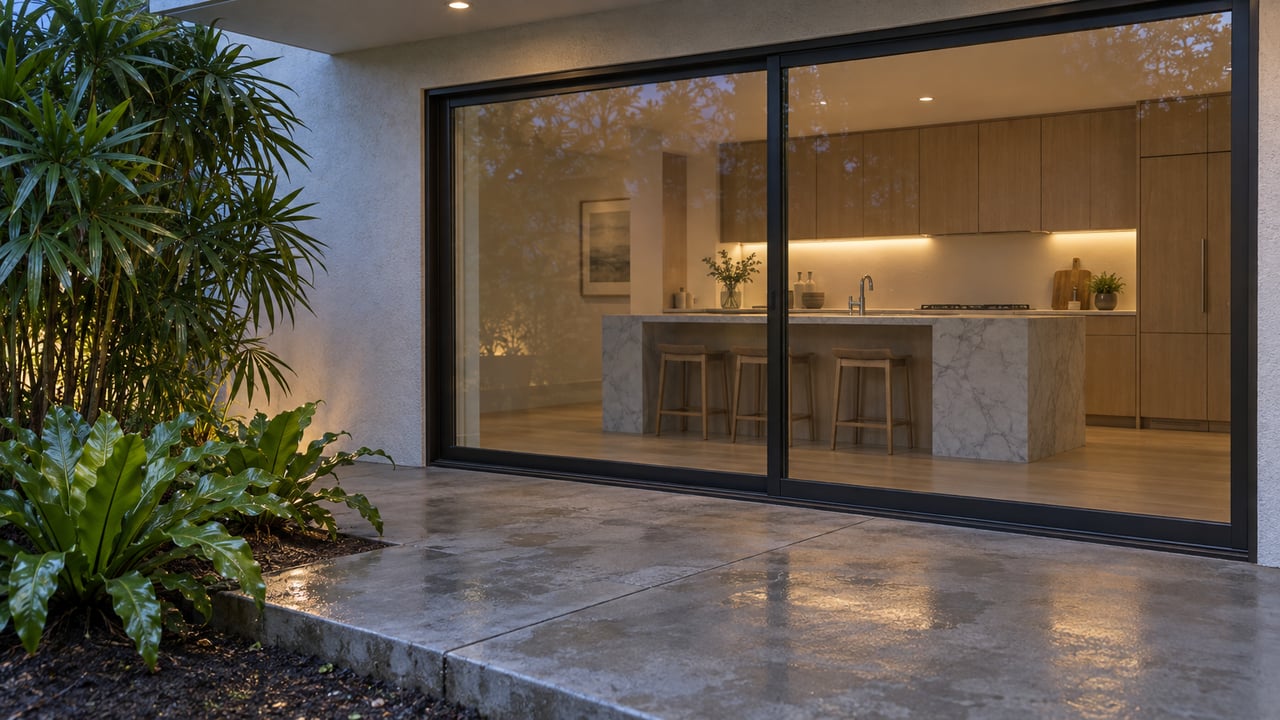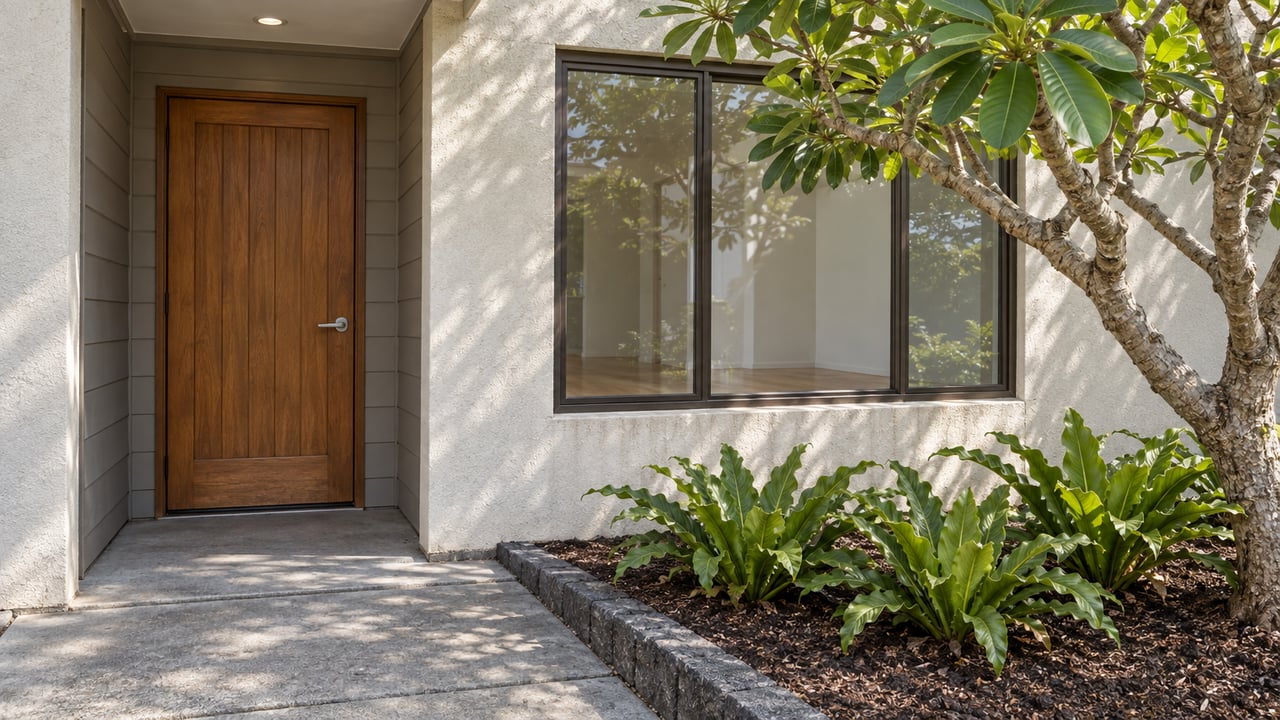
In August 2026, the median Kaneohe condo sold in 13 days. The median Kaneohe single-family home took 14. Across Oahu that same month, the median condo took 37 days. The islandwide condo market spent the past year as the slow, fee-heavy side of the market. In Kaneohe, condos are keeping pace with houses. The likeliest reason has little to do with demand for apartments. In Kaneohe, "condo" mostly names a form of ownership attached to townhomes and walk-ups, and those buildings compete with houses for the same buyers.
Four Numbers From the Same Month
The Honolulu Board of REALTORS publishes neighborhood figures alongside its islandwide report. Put side by side for August 2026, they show a condo market in Kaneohe that looks a lot like the house market around it.
| August 2026 | Median sales price | Median days on market | Share of original list price received |
|---|---|---|---|
| Kaneohe condos | $700,000 | 13 | 98.4% |
| Kaneohe single-family homes | $1,375,000 | 14 | 99.7% |
| Oahu condos | $510,000 | 37 | 97.1% |
| Oahu single-family homes | $1,240,000 | 17 | 100% |
Price relationships show the pattern too. In August, the Kaneohe condo median was about 51% of the Kaneohe house median. Islandwide, the condo median was about 41% of the house median. A Kaneohe condo buyer pays a larger share of what a house costs nearby, which fits a buyer pool that treats the two as substitutes.
One month is a small sample. Kaneohe closed 21 condo sales in August, up from 15 a year earlier, so a few transactions can move the median. The board's "Kaneohe" also covers specific tax map areas, 1-4-4 through 1-4-7, not the whole 96744 ZIP code. The steadier signal comes from rolling 12-month MLS figures through August 2026, and they tell the same story:
- Kaneohe condos: 158 sales, a $675,000 median, 24 median days on market, 18.4% sold above asking, 4.5 months of inventory
- Kailua condos: 35 median days, 3.8 months of inventory
- Hawaii Kai condos: 45 median days, 7.0 months of inventory
- Waikiki condos: 52 median days, 11.0 months of inventory
- Kaneohe single-family homes: 3.8 months of inventory
Islandwide at the end of August, homes had 3.4 months of inventory and resale condos had 7.2. Across Oahu, condos carry roughly twice the supply cushion of houses. In Kaneohe, the gap shrinks to less than a month.
The Word "Condo" Describes the Deed
Hawaii's Department of Commerce and Consumer Affairs states plainly that a condominium is a form of ownership. A condominium project can be high-rises, townhomes or single-family homes, among other property types. Read that way, an Oahu condo statistic is an average across very different buildings, and the mix differs a great deal from one neighborhood to the next.
In Kaneohe, the MLS records for several familiar complexes describe buildings that function much like houses:
- Puu Alii is coded condo/townhouse, with a building style of low-rise, townhouse and walk-up. The sample unit is split-level.
- Windward Acres is coded low-rise walk-up, and one of its buildings is recorded as three stories.
- Haiku Gardens has split-level units marked "No Unit Above or Below."
- Poha Kea Point 3 has two-level units in a low-rise walk-up.
Kaneohe does have towers. Haiku Hale carries the high-rise classification of seven or more stories. The records surfaced in this research don't give a complete inventory of Kaneohe condos by building type, so the share of low-rise stock can't be stated as a figure. The named examples still show the pattern. A buyer shopping Kaneohe condos is mostly looking at units with their own entry, often on two levels, with no neighbor overhead.
Some coding also runs the other way. A detached home in K-Bay, a 13-unit association, appears in the MLS as single-family with a "CPR, Detach Single Family" designation. CPR stands for condominium property regime, so a home held under a condo regime can end up in the house statistics. The Hawaii Department of Commerce and Consumer Affairs also treats detached condominium units differently for insurance and lets their owners buy property coverage separately. The line between the two markets is legal more than physical, which helps explain why their numbers move together in Kaneohe.
Where the Building Type Changes the Bill
Buyers care about building type because Oahu's condo carrying costs fall unevenly across buildings.
Honolulu's fire sprinkler ordinance is the clearest example. The city code, which cites Ordinance 18-14, requires existing high-rise residential buildings either to install sprinklers or to pass an acceptable Fire and Life Safety Evaluation. By May 3, 2030, each building owner must meet with unit owners to discuss a design plan, financing options and implementation timelines, then file a statement with the fire authority describing the design plan, the timelines and the owner's intent to comply. Buildings that choose sprinklers must also file a financial and design plan by the same 2030 date. The whole building must have sprinklers or approved alternative fire safety systems by May 3, 2038. An extension to May 3, 2048 can be approved once sprinklers are in place in the common areas along the building's egress path. The rule applies to high-rises, so it doesn't reach a Puu Alii townhome or a Windward Acres walk-up. In a neighborhood with relatively few towers, this retrofit bill touches a smaller share of the condo stock than it does in Waikiki or Ala Moana.
Insurance and reserves are a different matter. According to Honolulu Board of REALTORS sales data reported by Hawaii Business Magazine, the average Oahu condo maintenance fee was $1,051 in February 2026, and fees have risen 70% over the past decade. The same article describes a three-story Makiki walk-up that handles problems early and carries a $5,000 deductible. It also describes a leak-prone Waikiki property whose premium rose from $235,000 a year to $1.2 million. Height alone didn't decide either outcome. Maintenance did.
Kaneohe's low-rise listings reflect that range. One recent Haiku Gardens listing shows maintenance fees of $1,075 a month, and a two-level Poha Kea Point 3 listing shows $1,561. Both sit near or above the islandwide average, in buildings without elevators or high-rise sprinkler obligations. Amenities, building age, insurance and the reserve plan all feed into the monthly figure.
Fees change what a buyer can afford. Aaron Tangonan, president of the Honolulu Board of REALTORS, told Hawaii Business that at current mortgage rates a $600 monthly maintenance fee is the difference between buying a $400,000 condo and a $500,000 one. In his August market commentary, he described how the same math plays out in pricing:
"Single-family buyers are largely weighing the purchase price, while condo buyers are also looking at maintenance fees, insurance and reserve funding as part of the monthly cost of ownership. Those carrying costs shape what condo buyers are willing to pay."
The House Side Is Loosening Underneath
Kaneohe condos are moving fast just as Kaneohe single-family supply is building. In August 2026, Kaneohe had 33 new single-family listings, up 57% from August 2025. Active inventory rose 26% to 58 homes, and the number of homes in escrow fell 14% to 25. Median days on market went from 11 to 14. Over the 12 months through August, Kaneohe's house inventory rose 40% to 3.8 months, and active listings rose 44% to 65. Even so, 40.5% of homes sold above asking.
Kaneohe condo supply barely changed. August active condo inventory was 60, against 57 a year earlier. More houses are coming to market, condos are holding steady, and both are selling on roughly the same timeline. Kaneohe buyers face a wider choice of houses than they did a year ago, while the townhome and walk-up stock stays competitive. A buyer weighing a $700,000 condo against a house at almost twice the price is comparing two products that trade on similar terms, so the decision comes down to carrying costs and the condition of the association.
What to Pull From the Condo Documents
The Kaneohe median price can't show what a specific association is carrying. These items can:
- Building classification. Confirm whether the project is a low-rise walk-up, a townhome or a high-rise. A Kaneohe high-rise like Haiku Hale falls under the city's sprinkler ordinance timeline. Low-rise stock doesn't.
- Reserve funding level. The state notes that insufficient reserves can lead to special assessments, borrowing or deferred work. The Hawaii Department of Commerce and Consumer Affairs condo FAQ also describes a statutory reserve funding option of at least 50% of a full reserve.
- Master insurance terms. Look at the premium history and the deductible. The Makiki and Waikiki examples above show how far these can diverge.
- Hurricane coverage source. The revived Hawaii Hurricane Relief Fund writes hurricane-only excess coverage for associations that at least two Hawaii-licensed insurers have turned down and that insure more than $10 million in building value. Those associations still have to insure the first $10 million and other perils separately.
- Pending projects. Ask about planned window, roof, plumbing or spalling work before the contract is signed, not after.
Common Questions
Is a Kaneohe townhome counted as a condo in market reports? Often, yes. Complexes such as Puu Alii, Windward Acres and Poha Kea Point 3 are coded condo/townhouse in the MLS, so their sales feed the condo figures. Some detached homes held under a condominium property regime, like the K-Bay example, are coded single-family instead.
Why do Kaneohe's monthly condo numbers jump around? The sample is small. August 2026 had 21 closed condo sales in the board's Kaneohe area. The rolling 12-month figure of a $675,000 median and 24 days on market is the steadier read.
Do low-rise condos avoid high fees? They avoid the high-rise sprinkler mandate, but insurance and reserve needs still apply. Recent Kaneohe low-rise listings show fees from roughly $1,075 to $1,561 a month.
Kaneohe's condo market moves faster than most of Oahu's, and so much depends on each association's documents that the reserve study, the insurance history and the building classification belong at the start of a search. Melvin Leon Guerrero reviews association financials alongside every Kaneohe condo and townhome client, so the monthly cost is clear before an offer goes in. Let's Connect.
This article is general information, not legal, tax or financial advice. Consult a qualified professional about your situation.