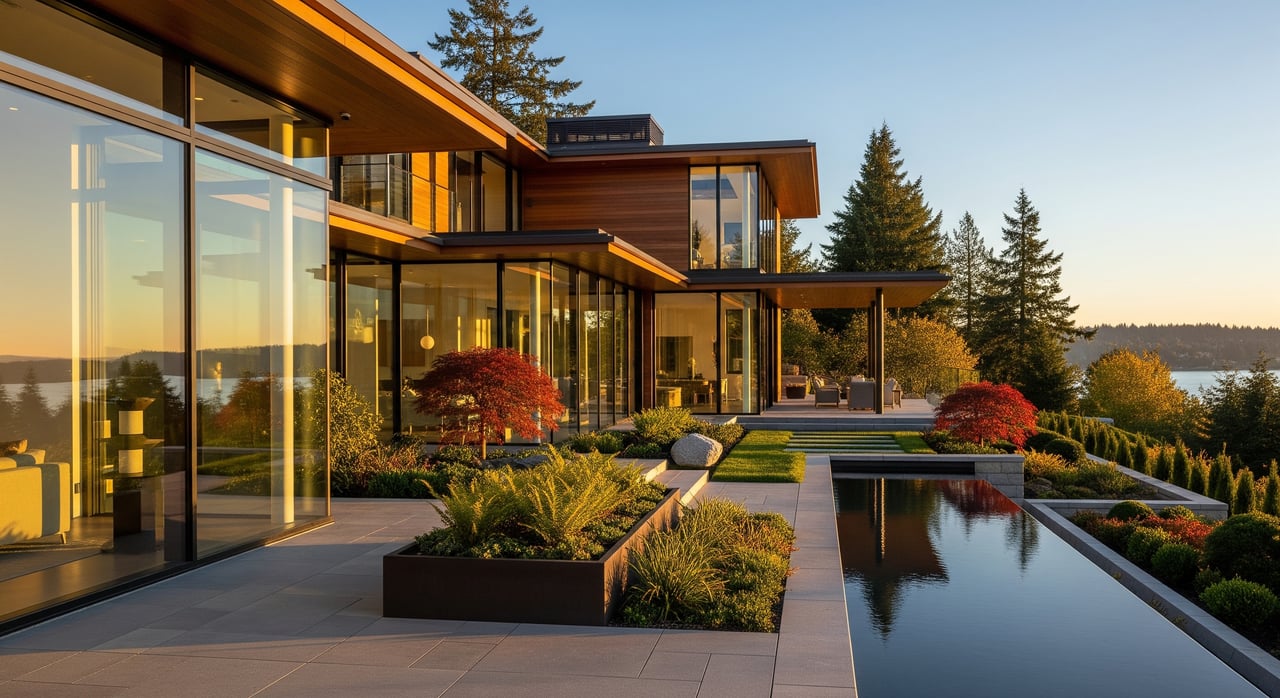
Thinking about making Bellevue home? You are not alone. With lake views, a lively downtown, and quick access to jobs across the Eastside, Bellevue draws people who want convenience and outdoor living in one place. At the same time, prices are higher than national averages and traffic can shape your day.
In this guide, you will get a local-style overview of where to live, how you might commute, what housing looks like, and how to plan your move with confidence. Along the way, you will find trusted resources to check the latest data. Let’s dive in.
Why Bellevue stands out
Bellevue is the Eastside’s commercial and cultural hub within the Seattle–Bellevue–Everett metro area. Downtown offers high-rise living, shopping, dining, and major employers. Around it, tree-lined neighborhoods give you parks, schools, and residential streets.
Quality of life is strong. You get quick access to lakes, trails, and community centers, plus a growing arts and dining scene. The tradeoff is cost. Housing is higher than many nearby suburbs, and peak-hour congestion is part of daily life. To explore city services, planning updates, and neighborhood maps, start with the City of Bellevue.
Neighborhoods at a glance
Bellevue is a collection of distinct districts. Here is how several areas feel on the ground.
Downtown Bellevue
- Vibe: Dense, walkable, and urban with high-rise condos, offices, and major retail like Bellevue Square and Lincoln Square.
- Housing: Mostly condos and new apartment towers, plus a few townhomes.
- Best for: Professionals who want to walk to offices, dining, and nightlife with easy access to transit.
BelRed and Spring District
- Vibe: A fast-changing corridor shifting from light industrial to mixed-use streets with apartments, offices, and retail.
- Housing: Newer mid- and high-density apartments and condos with a transit-oriented layout.
- Best for: Buyers and renters who prioritize newer construction and shorter Eastside commutes.
Wilburton and Northeast Bellevue
- Vibe: Close to downtown but calmer, with parks and quieter residential blocks.
- Housing: A mix of single-family homes, townhomes, and low- to mid-rise multifamily.
- Best for: Anyone who wants quick access to downtown without giving up a neighborhood feel.
West Bellevue, Enatai, and Meydenbauer
- Vibe: Lake-oriented, leafy streets, and established neighborhoods near the shoreline.
- Housing: High-end single-family homes, waterfront properties, and custom remodels.
- Best for: Buyers seeking lake access and upscale residential settings.
Bridle Trails
- Vibe: Heavily treed, residential, and equestrian-friendly with a semi-rural character.
- Housing: Larger lots with mid-century homes and newer custom builds.
- Best for: Those who value privacy, greenery, and a quiet setting within city limits.
Crossroads, Lake Hills, and Eastgate
- Vibe: Community-focused areas with parks, diverse dining, and active community centers.
- Housing: Established single-family subdivisions, townhomes, and garden-style apartments.
- Best for: Buyers who want more budget-conscious options relative to other Bellevue areas and quick access to services.
Factoria and Newport Hills
- Vibe: Suburban neighborhoods with retail hubs near I-90 and South Bellevue.
- Housing: Suburban single-family homes, townhomes, and mid-century ranch styles.
- Best for: Commuters who value freeway access to South King County and the Eastside.
Housing and market basics
You will find three broad housing types in Bellevue. High- and mid-rise condos cluster in downtown and the BelRed/Spring District. Single-family homes span mid-century ranches, contemporary rebuilds, and waterfront estates. Townhomes and garden apartments fill many transitional neighborhoods.
Prices sit near the top of Eastside markets. Over the long term, demand is driven by job centers, schools, lake access, and limited land. Since the 2020 to 2022 peak, conditions have normalized in places, yet supply stays tight in preferred districts. Redevelopment is common, especially teardown and rebuild projects on desirable lots.
When planning your budget, consider the following:
- Purchase price and financing: Pricing shifts quickly by neighborhood and property type. Verify current medians through county records and trusted market reports.
- Property taxes: Washington taxes are based on assessed value and vary by district. For parcel-specific figures, use the King County Assessor.
- State income tax: Washington has no personal state income tax, which can affect your cost of living.
- HOA and condo fees: These are common in condos and many newer townhome communities. Review amenities and reserve funds.
- Insurance: Standard homeowners policies apply. Earthquake coverage is optional and worth discussing with your insurer.
To track development trends or active permits, check the City’s planning dashboards on the City of Bellevue. For sales histories and parcel details, use county records. For market commentary, local news sources often cover major projects and employer moves that shape demand.
Commute and getting around
Three highways frame most trips. SR 520 connects Bellevue to Seattle across the north end of Lake Washington, I-405 runs north to south through the Eastside, and I-90 serves South Bellevue to Seattle.
Transit has improved options. Sound Transit Link light rail now provides a high-frequency rail connection between downtown Bellevue and Seattle, plus new nodes in the Spring District. Local and express buses from King County Metro and Sound Transit feed the Bellevue Transit Center and park-and-ride lots.
Active transportation is growing. Bike lanes and multi-use trails continue to expand, and regional routes like waterfront trails and Lake-to-Lake connections support both recreation and some commute trips.
Peak traffic still matters. Congestion on SR 520 and I-405 can extend travel times in both directions during rush hours. Before you commit, time a test commute from your shortlist neighborhoods. For current traffic and corridor updates, use WSDOT traffic. For upcoming local projects, check Bellevue transportation updates through the City of Bellevue.
Parks, trails, and culture
Bellevue makes it easy to live outside. Downtown Park offers lawns, water features, and event space steps from high-rises. Meydenbauer Bay Park gives you a beach, marina access, and kayak launches near downtown. On the south side, Mercer Slough Nature Park has wetland trails and an interpretive center.
You are also close to regional green space. Bridle Trails State Park borders the city’s northeast edge. Cougar Mountain Regional Wildland Park and Lake Sammamish State Park are a short drive for hiking and lake days. Community recreation centers and Bellevue Golf Course add year-round options.
For arts and culture, the core is lively. The Bellevue Arts Museum features contemporary crafts and design. Downtown’s shopping and dining scene spans Bellevue Square, Lincoln Square, and The Bravern. Seasonal festivals and farmers markets round out the calendar.
Expect a classic Pacific Northwest climate. Winters are mild and wet, summers are dry and sunny. Outdoor life stays active year-round, with a seasonal peak from late spring through early fall.
Schools and family resources
Most of the city is served by the Bellevue School District. School assignments and specialty program boundaries can shape your home search, so verify details directly with the Bellevue School District. Private and parochial schools are available across the Eastside.
Childcare demand is strong citywide. Waiting lists can be common for popular centers, so start early. Youth programs are abundant through local parks and community centers, including sports fields and arts activities.
Smart move checklist
Use this quick plan to reduce surprises and refine your search.
- Scout at different times: Visit short-listed neighborhoods on weekday mornings, evenings, and weekends. Listen for noise, check parking, and note traffic patterns and daylight.
- Test the commute: Time door-to-door trips to work or school from your top areas. Compare car, light rail, and express bus options using Sound Transit and King County Metro.
- Review safety data: Look up recent block-level trends using Bellevue Police resources and community dashboards.
- Inspect older homes carefully: Budget for inspections, drainage checks, roof condition, and potential seismic improvements.
- Vet condos and HOAs: Read reserve studies, recent assessments, rental caps, and pet rules.
- Confirm new-build details: Verify timelines, warranties, and which utilities or amenities are included.
- Map ongoing costs: Include property taxes, HOA dues, and utilities, and discuss optional earthquake insurance with your agent and insurer.
- Line up financing: Pre-approval and a local lender help you act quickly in competitive areas.
Is Bellevue a fit?
If you want an urban core with serious dining and shopping, plus parks and lake access minutes away, Bellevue is a strong match. The key is dialing in the right neighborhood for your lifestyle and commute. With a clear plan, you can balance price, convenience, and the amenities that matter most.
When you are ready to tour neighborhoods, compare housing options, or plan a cross‑state relocation, connect with a local advisor who knows both the Eastside and the logistics of moving between markets. Reach out to Melvin Leon Guerrero to start a tailored plan.
FAQs
Cost of living in Bellevue
- Bellevue housing costs are higher than national averages, with prices varying by neighborhood and property type; budget for property taxes, HOA dues where applicable, and insurance.
Bellevue commute options to Seattle
- Multiple routes connect Bellevue and Seattle, including SR 520, I-90, and Link light rail; peak congestion can add time, so test trips and use WSDOT and transit tools.
Walkability around downtown Bellevue
- Downtown and transit-oriented nodes are highly walkable with dining and retail close by, while many residential neighborhoods are more car-oriented.
Bellevue schools and boundaries
- Most addresses fall within the Bellevue School District; verify assignments, programs, and boundary maps directly with the district before you buy or rent.
Best neighborhoods for newer homes
- The BelRed and Spring District areas feature newer multifamily options, while teardown and rebuild activity is common in many single-family neighborhoods across the city.